Human Quest
Vapa: The Illustrator Behind A Thousand Dreams
In the cozy corners of Indian homes, among stacks of magazines, one finds treasures that spark nostalgia. They’re often tales from the past, bound in well-thumbed pages, bearing artwork that speaks to the soul.
On this page
In the cozy corners of Indian homes, among stacks of magazines, one finds treasures that spark nostalgia. They’re often tales from the past, bound in well-thumbed pages, bearing artwork that speaks to the soul. For those who grew up with “Chandamama” nestled in their laps, the memories might still be vivid, thanks largely to one exceptional artist: Vaddadi Papayya, popularly known as Vapa. This luminary, though perhaps a distant name to Western audiences, has woven dreams, history, and philosophy onto the canvas of countless Indian childhoods.
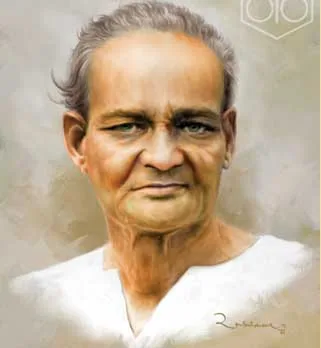
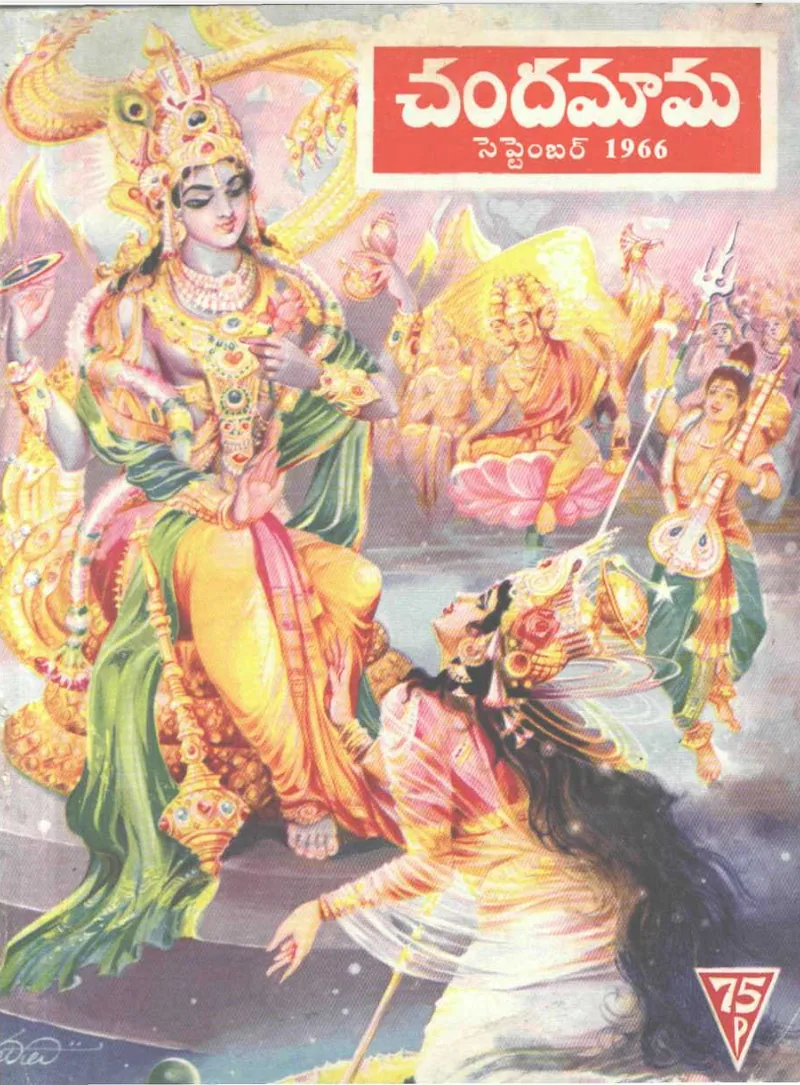
As you immerse yourself in this tribute, picture a young Indian child of yesteryears, cradling a freshly minted issue of “Chandamama”, the edges of the magazine crisp and unyielding. The cover, a mesmerizing tableau of gods, mortals, and landscapes, promises tales of valor, wisdom, and a world beyond the ordinary. Now, magnify this image a million times over, spanning decades, and you’ll grasp the impact of Vapa’s legacy.
Drawing Dreams from the Banks of Nagavali
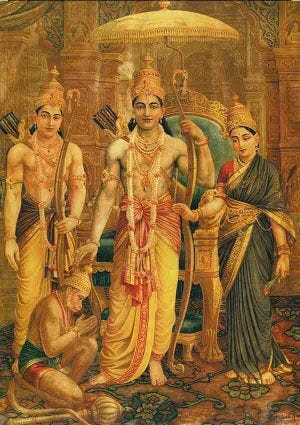
Born on the banks of the Nagavali river in the Srikakulam district of Andhra Pradesh in 1921, Vapa’s life was destined for art. His home had the atmosphere of a studio, where the stories of Mahabharata and Ramayana echoed, and colors danced under his father’s skilled hand. A young Vapa was entranced by a painting of “Kodanda Rama” by Raja Ravi Varma. Such influences set the course of his life.
Crafting Chronicles for Chandamama
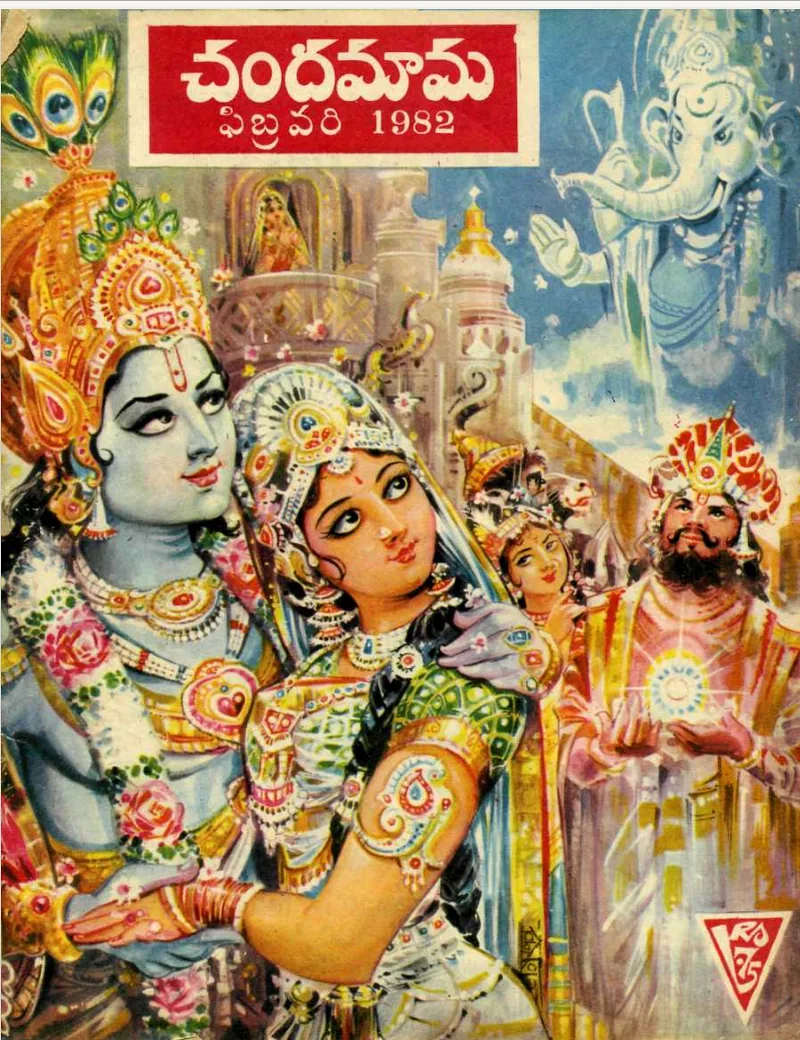
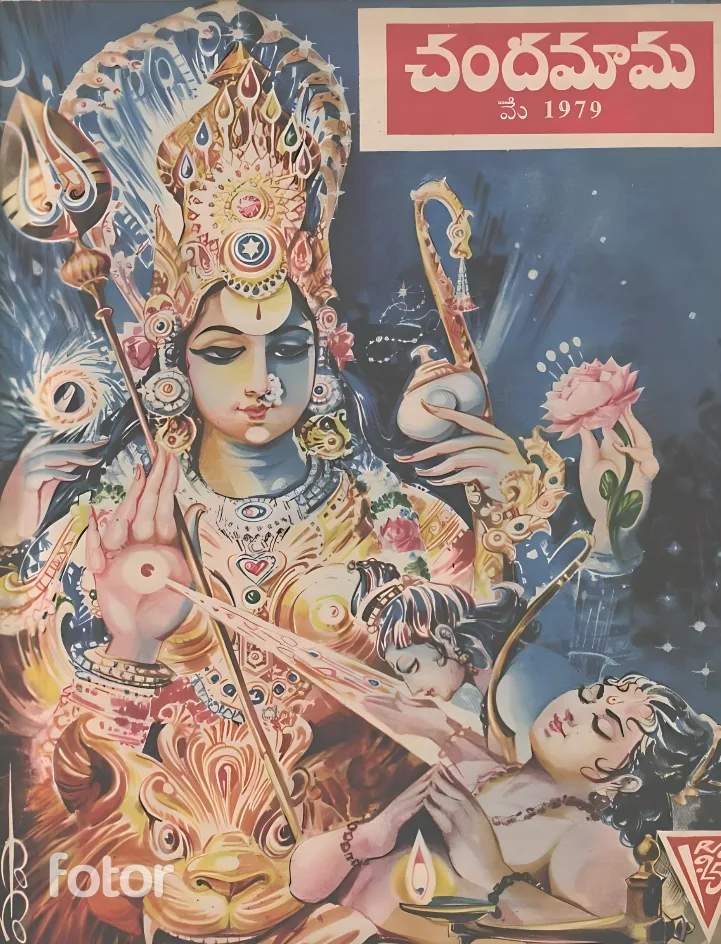
His journey with “Chandamama”, a beloved children’s magazine in India, spanned nearly five decades. But it wasn’t just any magazine. Through Vapa’s art, it became a luminous beacon to Indian history, mythology, virtues, and vices. Each cover he painted wasn’t merely an ornamental facade; it was an invitation. An initiation, if you will.
For many, including myself, the radiant, intricate covers of “Chandamama” weren’t just gateways but guiding lights. They led us to tales of gods, mortals, love, betrayal, valor, and wisdom, all the while ensuring that with each turn of the page, we ventured deeper into the understanding of our rich heritage, the world, and the essence of humanity. Vapa’s illustrations were both compass and companion, inviting us to explore stories that taught life lessons, morals, and the very fabric of what it means to be human, all while promising the thrill of adventure with every glance.
Vapa’s dedication went beyond his illustrations. He also penned series like the “Vishnu Katha,” blending his artistic brilliance with narrative prowess. It’s rare for an artist to excel in both visual and narrative forms, but Vapa seamlessly bridged the two worlds.
A Timeless Tribute
Vapa’s journey in this world may have culminated in 1992, but his legacy is imperishable. In today’s age, when digital art is on the rise, the hand-drawn covers of “Chandamama” evoke a certain warmth and rawness. The artwork is not just a beautiful image; it’s a slice of history, a shard of culture, and a lesson in ethics and humanity.
For readers who are unfamiliar with Vaddadi Papayya or Vapa, introducing him isn’t just about showcasing a renowned artist; it’s about sharing a part of my childhood, a segment of India’s rich cultural tapestry, and a testament to art’s power to shape lives.
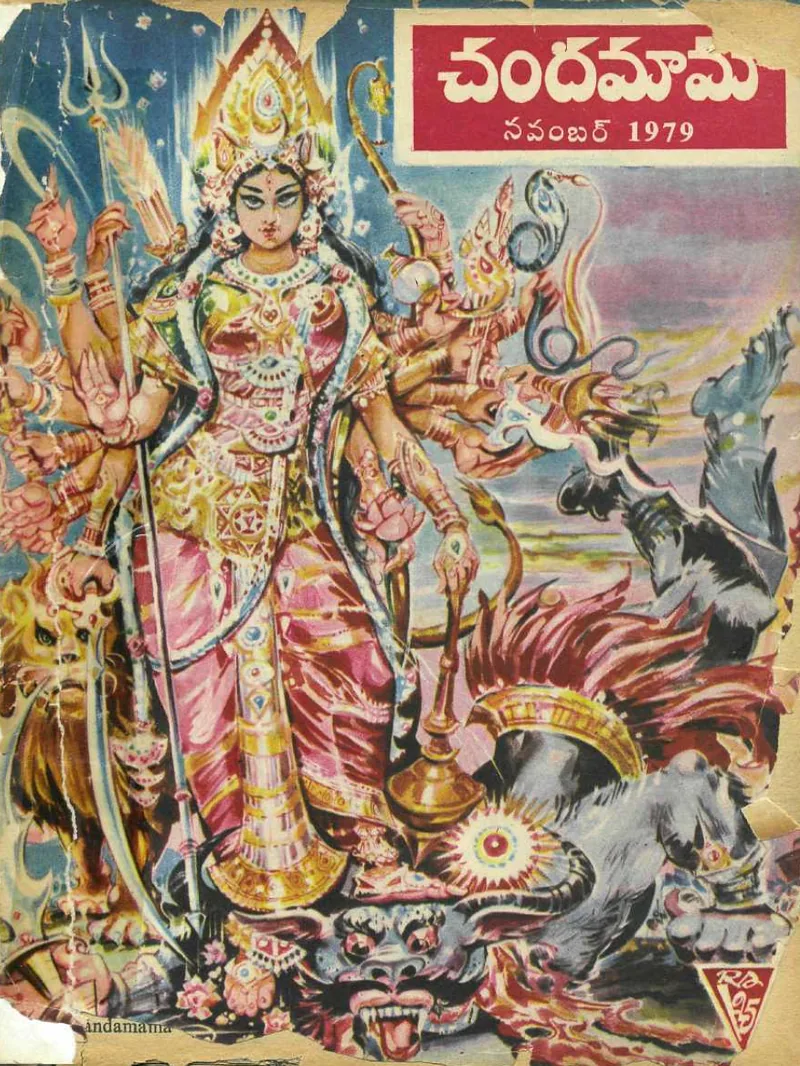
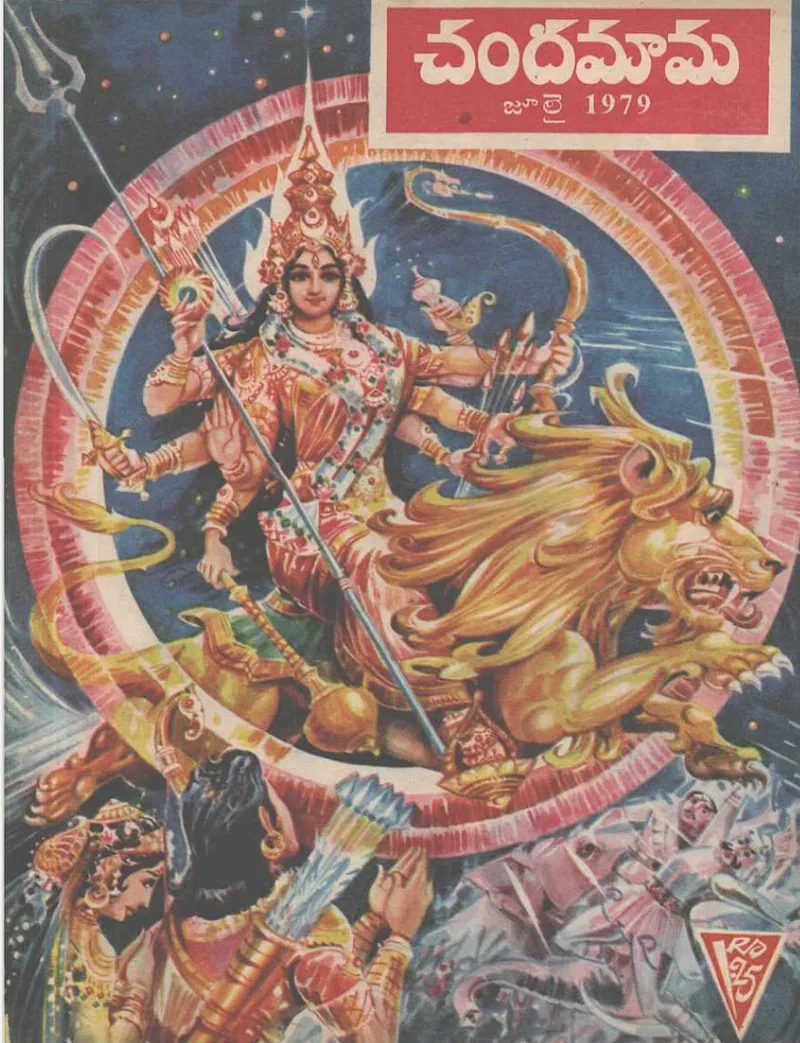
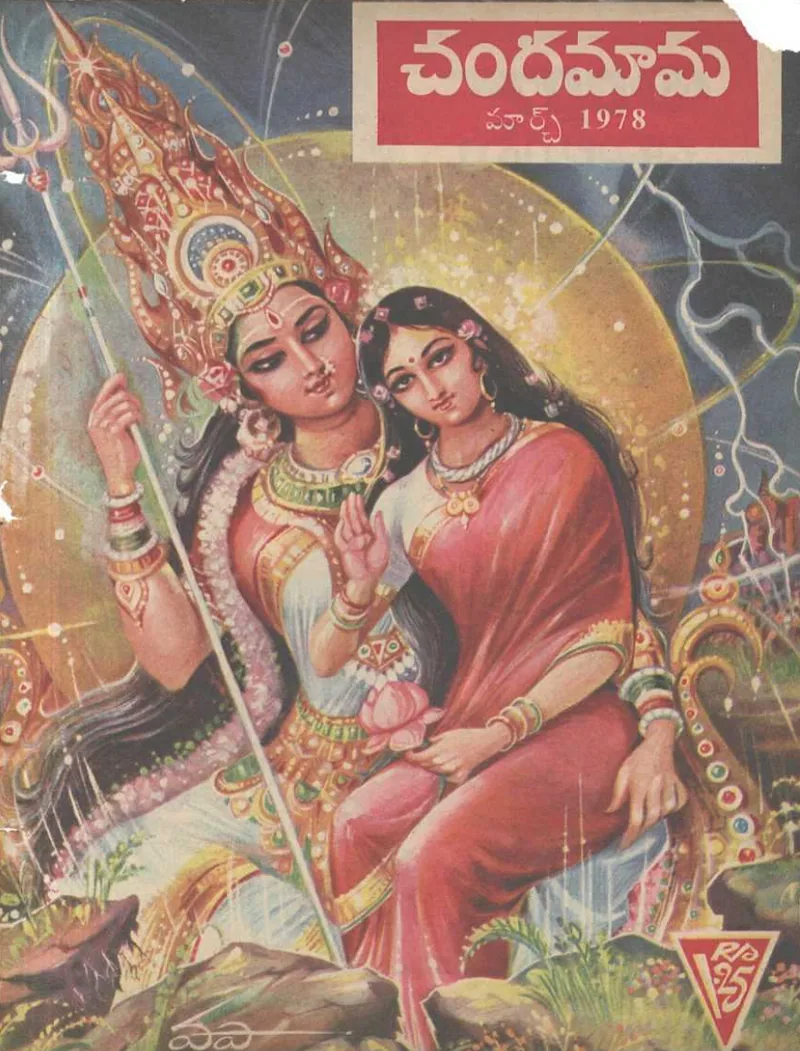
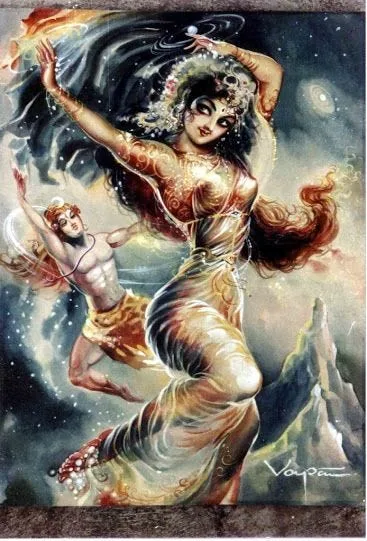
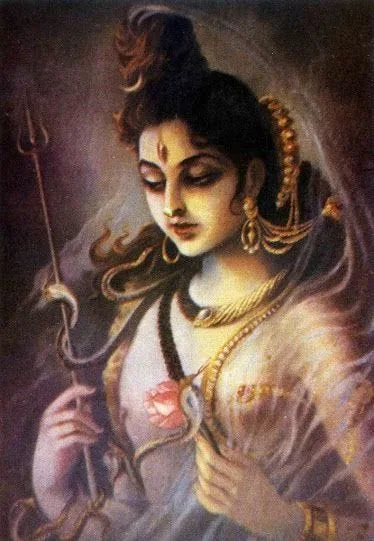
I invite you to delve into some of Vapa’s masterpieces below. Allow the colors, forms, and emotions to guide you through an India that once was, and through stories that are timeless. Though the digital scans I possess might not be of pristine quality, their allure remains undiminished, continuing to captivate us.
Several more illustrations by Vapa can be found online:
https://in.pinterest.com/yuknowm/vaddadi-papayya/