Ancient → Modern
The Symphony of the Universe
Physics and ancient Indian wisdom may seem like an unlikely pair, but delve a bit deeper, and you’ll find intriguing parallels.
On this page
Physics and ancient Indian wisdom may seem like an unlikely pair, but delve a bit deeper, and you’ll find intriguing parallels. Let’s journey through the world of string theory from modern physics and the age-old concept of Nadabrahma from Indian Upanishads. The bridge between them? The foundational idea of vibration.
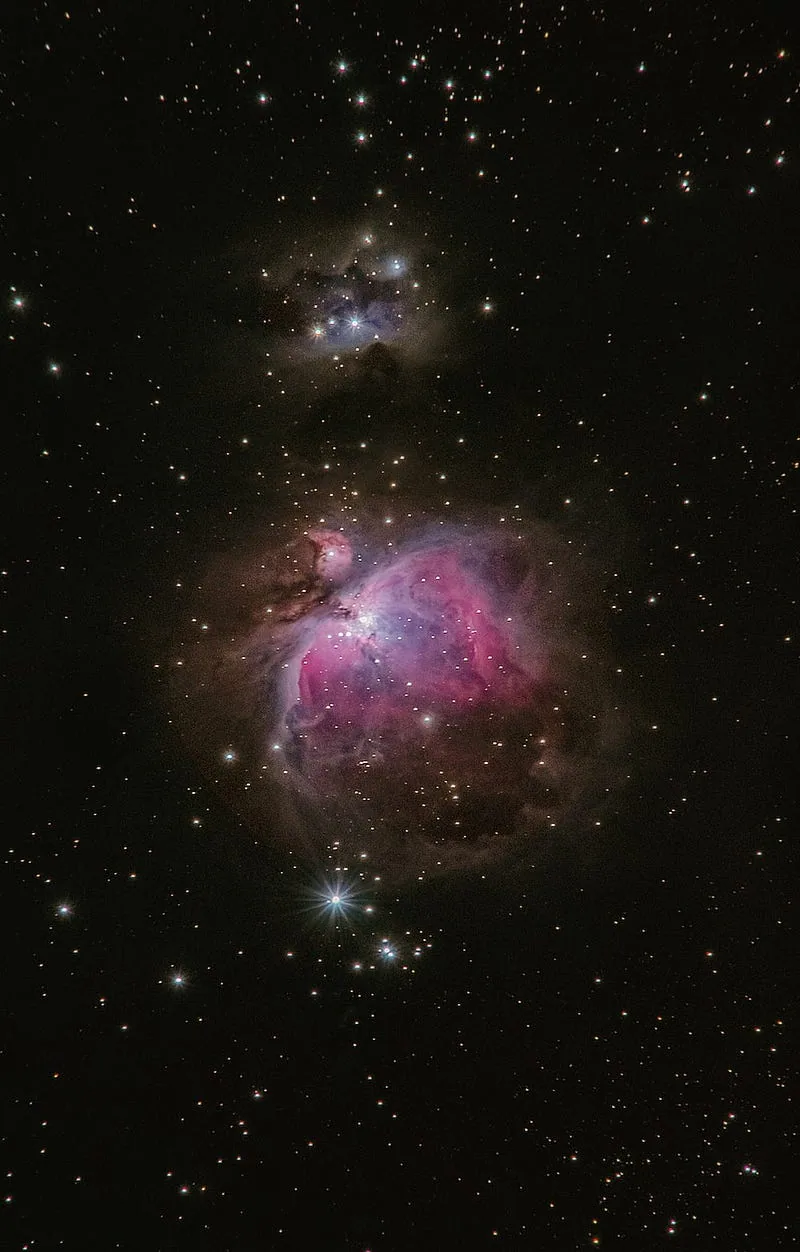
String Theory: The Universal Melody
To understand why string theory came into the spotlight, we need to venture into a cosmic puzzle. Physics has two grand tales of the universe: quantum mechanics, which narrates the world of the tiniest particles, and general relativity, which unfolds the saga of vast galaxies and black holes. But here’s the twist: these two tales contradict each other in extreme situations, like the heart of a black hole. It’s like trying to listen to a serene classical symphony overlapped with a rocking heavy metal song. They both sound great individually but clash when played together.
So, physicists started seeking a common language, a ‘Theory of Everything’ that could weave these two narratives into one harmonious story. Enter string theory.
Instead of imagining particles as mere dots (think of dots as the shortest, abrupt notes in a song), string theory suggests they’re tiny loops, like unstruck guitar strings. Now, why strings? Imagine playing a musical note. It’s not just one sound; it’s a mix of many frequencies harmoniously blended. In the same way, a string can vibrate at various ‘frequencies’ to create different particles. So, electrons, quarks, photons, what we think of as distinct ‘dots’, are perhaps different notes played by these universal guitar strings.
The beauty of string theory lies in its elegance. When you allow particles to be strings, quantum mechanics and general relativity begin to harmonize, like two once-clashing songs finding a shared rhythm. It promises a unified description of the universe, from the tiniest speck to the vastest galaxy, all connected through the symphony of strings.
However, it’s essential to note that string theory is still in its evolving stages. We haven’t yet plucked the perfect note that sings the universe’s true song. But the hope is that when we do, we’ll have a melody that resonates with everything, bridging the quantum and cosmic realms.
Nadabrahma: The Sound of the Cosmos
Now, turn the clock back to ancient India. Here, spiritual seekers believed in the idea of ‘Nadabrahma,’ which can be broken down into “Nada” (sound/vibration) and “Brahma” (the ultimate reality). To put it simply, it’s the belief that the universe’s heartbeat is a sound or vibration.
This isn’t just any sound; it’s the primal hum, often referred to as “Om” or “Aum.” Think of it like the background score of the universe, from which everything originated and to which everything will return. It’s the idea that every mountain, river, tree, and creature resonates with this cosmic vibration.
Sound, Consciousness, and Indian Culture:
This idea of vibration doesn’t just stop at the creation of the universe. It intertwines with consciousness and even daily practices.
- Mantras: Consider mantras as ‘passwords’ to the universe. These sacred chants have specific vibrations believed to tune into the cosmos, altering one’s consciousness. Just like tuning your radio to catch a particular frequency, mantras help in tuning our minds.
- Yoga: There’s a branch of yoga, Nada Yoga, where the journey isn’t through postures but through sound. Here, the practitioner dives deep into internal sounds, seeking that primordial hum within. It’s a bit like using an inner earpiece to listen to the universe’s secrets.
- Music: Indian classical music isn’t just for entertainment; it’s a spiritual voyage. The melodies, known as ragas, are crafted to synchronize with the universe. It’s like each raga is a different song of the universe, evoking specific feelings and connecting listeners to the cosmos.
String Theory and Nadabrahma: Two Sides of the Same Coin?
Both string theory and Nadabrahma might come from different worlds, but they dance to the same tune. Here’s how:
The Core of Vibration: Just as a guitar string’s note comes from its vibration, both string theory and Nadabrahma propose that the universe’s essence is vibrational.
Unity in Diversity: A single guitar string can produce multiple notes. Similarly, string theory says varied particles come from a single type of entity, the string, vibrating differently. Nadabrahma also speaks of a singular cosmic hum giving rise to the universe’s diversity.
Cosmic Harmony: Both ideas hint at a grand, harmonious universe. String theory sees a well-ordered physical world emerging from string vibrations, while Nadabrahma speaks of a universe in harmony with the cosmic sound.
It’s awe-inspiring to think that ancient wisdom and cutting-edge science might be singing the same song about the universe’s nature. While we need to be careful about drawing direct parallels, such connections remind us that sometimes, the quest for understanding can span ages and disciplines, leading to similar profound revelations.
That’s my learning for today!